

 |
|
|
|
- I'm Online Chat Now
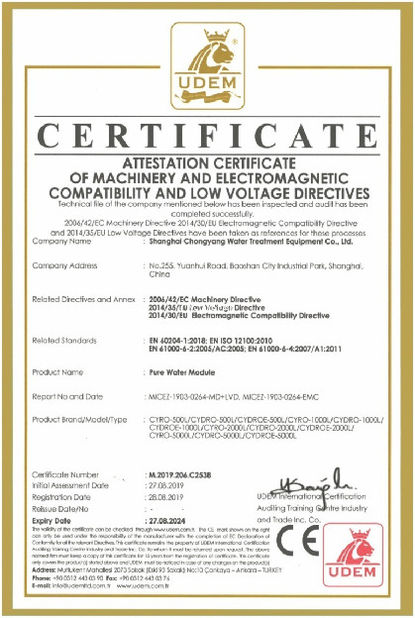
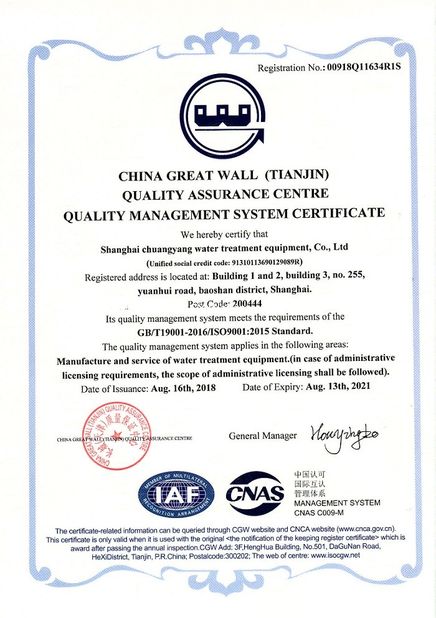
Certification
Company News
How Does a Seawater Reverse Osmosis (SWRO) System Work?

How Does a Seawater Reverse Osmosis (SWRO) System Work?
Introduction
Freshwater resources are becoming increasingly limited in many coastal regions around the world. As population growth, industrial development, and climate change continue to put pressure on natural water supplies, seawater desalination has become one of the most reliable solutions for producing high-quality fresh water.
Among various desalination technologies, the Seawater Reverse Osmosis (SWRO) system has become widely used due to its high efficiency, lower energy consumption, and proven performance. A modern seawater desalination system can convert seawater into potable or industrial-grade water by removing dissolved salts, microorganisms, suspended solids, and other contaminants.
SWRO plants are widely used on islands, resorts, coastal cities, offshore platforms, power plants, mining projects, and industrial facilities.
What Is a Seawater Reverse Osmosis (SWRO) System?
A Seawater Reverse Osmosis System is a water treatment process that uses semi-permeable membranes and high-pressure pumps to separate dissolved salts from seawater.
Seawater typically contains approximately 35,000 ppm of Total Dissolved Solids (TDS). An SWRO plant removes up to 99.7% of dissolved salts, producing high-quality fresh water suitable for various uses.
| Item | Typical Value / Description |
|---|---|
| Feed Water | Seawater, typically around 35,000 ppm TDS |
| Core Technology | Reverse Osmosis Membrane Separation |
| Salt Rejection | Up to 99.7% |
| Typical Recovery Rate | 35% – 50% |
| Typical Operating Pressure | 55 – 80 bar |
| Applications | Islands, resorts, offshore platforms, coastal plants, industrial water supply |
Main Components of a Seawater Desalination System
1. Seawater Intake System
The intake system collects seawater from the ocean and transports it to the treatment plant. Common intake options include open sea intake, beach wells, and subsurface intake systems.
2. Pretreatment System
Pretreatment removes suspended particles, algae, organic matter, and other contaminants that may foul RO membranes. Typical pretreatment equipment includes coarse screens, multimedia filters, activated carbon filters, ultrafiltration systems, and cartridge filters.
3. High-Pressure Pump
The high-pressure pump forces seawater through the RO membranes while overcoming the osmotic pressure created by dissolved salts. Typical pressure is 55–80 bar.
4. SWRO Membrane System
The membrane system is the heart of the desalination plant. It allows water molecules to pass while rejecting sodium chloride, sulfates, heavy metals, bacteria, viruses, and organic contaminants.
5. Energy Recovery Device
Energy recovery devices such as pressure exchangers, turbochargers, and Pelton turbines can significantly reduce power consumption and improve system efficiency.
6. Post-Treatment System
Post-treatment may include pH adjustment, remineralization, UV sterilization, and chlorination to improve final water stability and meet local water quality requirements.
Step-by-Step SWRO Process Flow
The seawater desalination process follows a clear engineering sequence designed to protect system components and maximize operating efficiency.
Seawater Intake
→
Pretreatment
→
Cartridge Filtration
→
High-Pressure Pump
→
SWRO Membranes
→
Energy Recovery
→
Permeate Tank
→
Post-Treatment
→
Fresh Water Supply
Permeate
Permeate is the purified water produced by the RO membranes.
Concentrate / Brine
Concentrate is the high-salinity stream discharged from the system after membrane separation.
Key Factors Affecting SWRO Performance
Feed Water Quality
High turbidity, algae blooms, and seasonal seawater changes can affect system performance and membrane stability.
Pretreatment Efficiency
Insufficient pretreatment may cause membrane fouling, increased pressure drop, reduced water production, and higher operating costs.
Operating Pressure
Pressure must remain stable to maintain proper membrane performance and salt rejection.
Membrane Condition
Over time, membranes may experience scaling, organic fouling, and biofouling. Regular monitoring and cleaning are necessary to maintain performance.
Energy Recovery Efficiency
Modern energy recovery systems play a major role in reducing operating costs and improving plant economics.
Advantages of SWRO Technology
- Reliable water supply: Provides fresh water independent of rainfall and groundwater availability.
- Lower operating cost: Consumes less energy compared with many thermal desalination technologies.
- Modular design: Suitable for small island systems and large municipal projects.
- High water quality: SWRO permeate can achieve low TDS and consistent clarity.
- Flexible installation: Available as skid-mounted, containerized, or full-scale plant design.
- Energy-saving operation: Energy recovery devices reduce power consumption.
Applications of Seawater Desalination Systems
| Application | Typical Requirement | System Advantage |
|---|---|---|
| Island Water Supply | Stable fresh water source | Independent from limited groundwater |
| Hotels & Resorts | Drinking and service water | Compact and reliable operation |
| Coastal Industry | Process water supply | Continuous industrial water production |
| Offshore Platforms | Fresh water in remote marine locations | Skid-mounted and automated design |
| Power Plants | Boiler make-up or cooling water | Stable water quality and scalable capacity |
How to Choose the Right SWRO System
When selecting a seawater desalination plant, buyers should evaluate required water production capacity, feed water analysis, installation location, power availability, final water quality requirements, energy consumption targets, and future expansion plans.
A properly engineered system ensures stable operation, lower lifecycle costs, and long-term reliability.
Conclusion
A Seawater Reverse Osmosis (SWRO) System is one of the most effective and economical technologies for converting seawater into fresh water. Through pretreatment, high-pressure pumping, advanced RO membranes, energy recovery, and post-treatment, SWRO plants can consistently produce high-quality water for municipal, commercial, and industrial applications.
CHONGYANG WATER specializes in containerized SWRO systems, industrial desalination plants, energy-efficient seawater RO systems, and turnkey water treatment solutions.
Pub Time : 2026-06-01 12:59:44
>> News list
Contact Details
Shanghai ChongYang Water Treatment Equipment CO.,LTD.
Contact Person: Ms. Yanni.Wang
Tel: 86 15900488030
Fax: 86-21-66126659
Send your inquiry directly to us