

 |
|
|
|
- I'm Online Chat Now
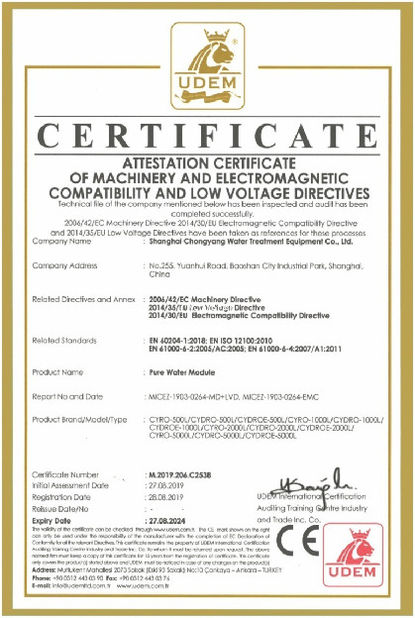
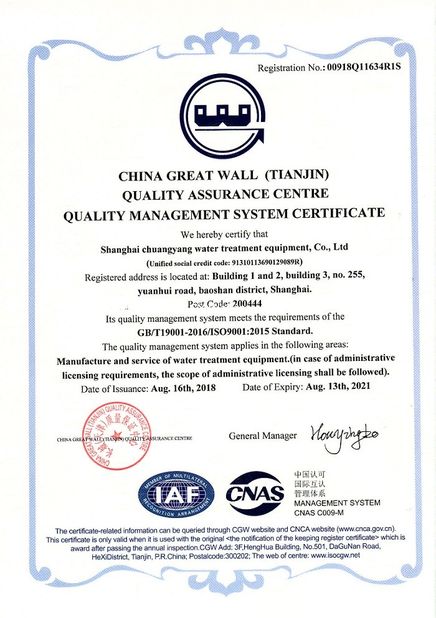
Certification
Company News
What Is a Pharma Water System? Complete Guide

What Is a Pharma Water System? Complete Guide
1. Introduction
A pharma water system is a critical utility that directly impacts product quality, safety, and regulatory compliance. In GMP-regulated environments, water is often the largest raw material used in manufacturing, cleaning, and sterilization processes.
Because of its direct or indirect contact with products related to human health, process water must meet strict quality standards defined by pharmacopeias such as USP, EP, and WHO.
This guide explains what a pharma water system is, where it is used, its key design features, and how it works in practice.
2. What Is a Pharma Water System?
A pharma water system is an integrated set of equipment designed to produce, store, and distribute high-purity water that meets defined pharmacopeial standards.
The most common types include Purified Water (PW) and Water for Injection (WFI), each with specific quality requirements. These systems typically combine technologies such as pretreatment, reverse osmosis (RO), electrodeionization (EDI), and sterilization processes.
In addition to production, the system includes sanitary storage tanks and a continuously circulating distribution loop to maintain water quality and prevent microbial contamination.
3. Applications
Water systems are widely used across different stages of regulated manufacturing. Purified Water (PW) is typically used for non-sterile applications such as equipment cleaning (CIP), formulation of oral liquids, and laboratory analysis.
Water for Injection (WFI), which has stricter microbial and endotoxin limits, is used in critical applications such as injectable formulation processes and final rinsing of sterile equipment.
In addition, these systems are essential in biotechnology, medical device production, and cosmetics manufacturing, where consistent water quality is required to prevent contamination and maintain product stability.
4. Key Features
A pharma water system must follow strict GMP and hygienic engineering principles. Key features include SS316L stainless steel construction, electropolished internal surfaces (Ra ≤ 0.6 µm), and fully drainable piping without dead legs (≤1.5D rule). Orbital welding ensures smooth internal surfaces and consistent quality.
Systems also include sanitization and monitoring functions, such as hot water, ozone, or UV sterilization. Online sensors monitor conductivity, TOC, and temperature, while PLC + SCADA systems ensure compliance and data integrity.
5. How It Works
The system operates through multiple stages. First, pretreatment removes suspended solids, chlorine, and hardness to protect downstream components.
Water then passes through reverse osmosis (RO) membranes, which remove dissolved salts and organic contaminants. An optional EDI module further enhances water purity without chemical regeneration.
The purified water is stored in a sanitary tank and continuously circulated through a loop system to prevent stagnation. UV sterilization and final filtration help maintain water quality until the point of use. Continuous monitoring ensures the system remains in a validated and controlled state.
6. Conclusion + CTA
A pharma water system is a highly controlled and engineered utility. Its performance depends on system design, material selection, sanitization methods, and continuous monitoring. A well-designed system ensures compliance and long-term operational stability.
Looking for a reliable water system solution?
We provide customized RO + EDI systems, complete engineering design, and validation support (DQ/IQ/OQ/PQ).
Pub Time : 2026-04-20 14:49:14
>> News list
Contact Details
Shanghai ChongYang Water Treatment Equipment CO.,LTD.
Contact Person: Ms. Yanni.Wang
Tel: 86 15900488030
Fax: 86-21-66126659
Send your inquiry directly to us