

 |
|
|
|
- I'm Online Chat Now
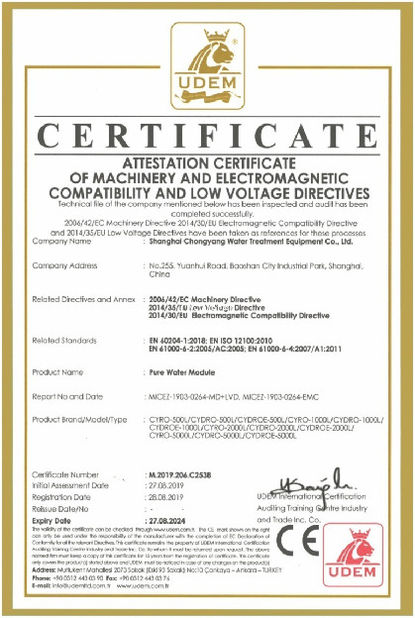
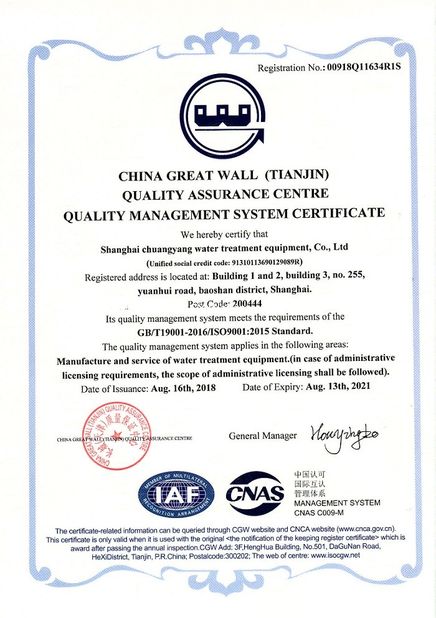
Certification
Company News
How Boiler Feed Water Quality Affects Steam System Efficiency

How Boiler Feed Water Quality Affects Steam System Efficiency
1. Poor Water Quality Causes Scale and Efficiency Loss
Boiler feed water quality directly affects steam generation efficiency, fuel consumption, and boiler operating life. If impurities in the feed water are not properly controlled, scale and corrosion will gradually form inside the boiler, reducing heat transfer efficiency and increasing energy costs.
The most common scaling ions include Ca²⁺ Calcium, Mg²⁺ Magnesium, SiO₂ Silica, Fe²⁺/Fe³⁺ Iron, and HCO₃⁻ Bicarbonate. When these dissolved minerals are exposed to high temperatures and pressure inside the boiler, they precipitate and form hard deposits on heat transfer surfaces.
Even a thin layer of scale can significantly reduce thermal conductivity. Dissolved oxygen O₂ and carbon dioxide CO₂ can also accelerate corrosion inside pipelines, economizers, steam drums, and condensate systems.
2. Different Boilers Have Different Feed Water Requirements
Different types of boilers require different feed water quality standards depending on operating pressure and steam application. Low-pressure boilers generally have more flexible requirements, while medium- and high-pressure boilers require much stricter control of conductivity, hardness, silica, dissolved oxygen, and pH.
Typical low-pressure boilers include fire tube boilers, small industrial steam boilers, heating boilers, and food processing boilers. Medium- and high-pressure systems include water tube boilers, power plant boilers, high-pressure steam generators, turbine steam systems, and cogeneration systems.
As boiler pressure increases, the allowable concentration of dissolved solids becomes much lower. High-pressure systems require advanced technologies such as reverse osmosis, deaerators, EDI systems, condensate recovery, and automatic chemical dosing systems.
3. Recommended Boiler Feed Water Quality Standards
| Parameter | Low Pressure Boiler | Medium Pressure Boiler | High Pressure Boiler |
|---|---|---|---|
| Hardness | < 2 ppm | < 0.3 ppm | Nearly 0 ppm |
| Conductivity | < 150 μS/cm | < 30 μS/cm | < 10 μS/cm |
| Silica SiO₂ | < 20 ppm | < 5 ppm | < 0.02 ppm |
| Dissolved Oxygen | < 0.05 ppm | < 0.02 ppm | < 0.007 ppm |
| pH Value | 8.5–10.5 | 9.0–11.0 | 9.2–11.5 |
| TDS | < 3500 ppm | < 500 ppm | Very Low |
| Iron | < 0.3 ppm | < 0.1 ppm | Trace Only |
| Suspended Solids | Low | Very Low | Nearly Zero |
Proper feed water quality helps improve steam purity, reduce blowdown frequency, lower maintenance costs, and increase boiler efficiency.
4. Functions of Each Boiler Water Treatment Component
A complete boiler feed water treatment system consists of multiple treatment stages, each performing a specific function to protect the steam system.
| Equipment | Main Function |
|---|---|
| Multi-Media Filter | Removes suspended solids and turbidity |
| Activated Carbon Filter | Removes chlorine and organics |
| Water Softener | Removes hardness ions Ca²⁺ and Mg²⁺ |
| RO System | Reduces dissolved salts and conductivity |
| EDI System | Produces higher purity feed water |
| Deaerator | Removes dissolved oxygen and CO₂ |
| Chemical Dosing System | Stabilizes pH and prevents corrosion |
| UV Sterilizer | Reduces microbial contamination |
| Feed Water Tank | Provides stable water supply |
| PLC Control System | Automates operation and monitoring |
5. Chemical Dosing Systems Improve Boiler Protection
In addition to physical water treatment, boiler chemical dosing systems play an important role in maintaining stable water chemistry inside the steam system. Proper chemical dosing helps reduce corrosion, scale formation, oxygen attack, and condensate line damage.
Common dosing chemicals include oxygen scavengers, pH adjusters, scale inhibitors, corrosion inhibitors, and phosphate treatment chemicals. Modern boiler plants often use automatic dosing systems integrated with conductivity sensors, pH meters, flow transmitters, and PLC controls.
When combined with RO systems and deaerators, chemical dosing systems significantly improve steam quality, reduce fuel consumption, and extend equipment lifespan.
6. Conclusion + CTA
Boiler feed water quality has a direct impact on steam system efficiency, operational reliability, fuel consumption, and equipment lifespan. Proper control of hardness, conductivity, silica, dissolved oxygen, and pH is essential for preventing scale formation and corrosion inside the boiler system.
A complete boiler feed water treatment solution combining pretreatment, RO purification, deaeration, and automatic chemical dosing can greatly improve steam generation efficiency while reducing maintenance and operating costs.
Looking for a reliable boiler feed water treatment solution? We provide customized RO systems, softeners, deaerators, chemical dosing systems, and fully automated boiler water treatment systems for industrial steam applications. Contact our engineering team today for a customized solution tailored to your boiler operating conditions.
Pub Time : 2026-05-21 09:32:23
>> News list
Contact Details
Shanghai ChongYang Water Treatment Equipment CO.,LTD.
Contact Person: Ms. Yanni.Wang
Tel: 86 15900488030
Fax: 86-21-66126659
Send your inquiry directly to us